How a Conversion Van Can Be Both Your Dream Overlanding Rig & a Tax Advantage
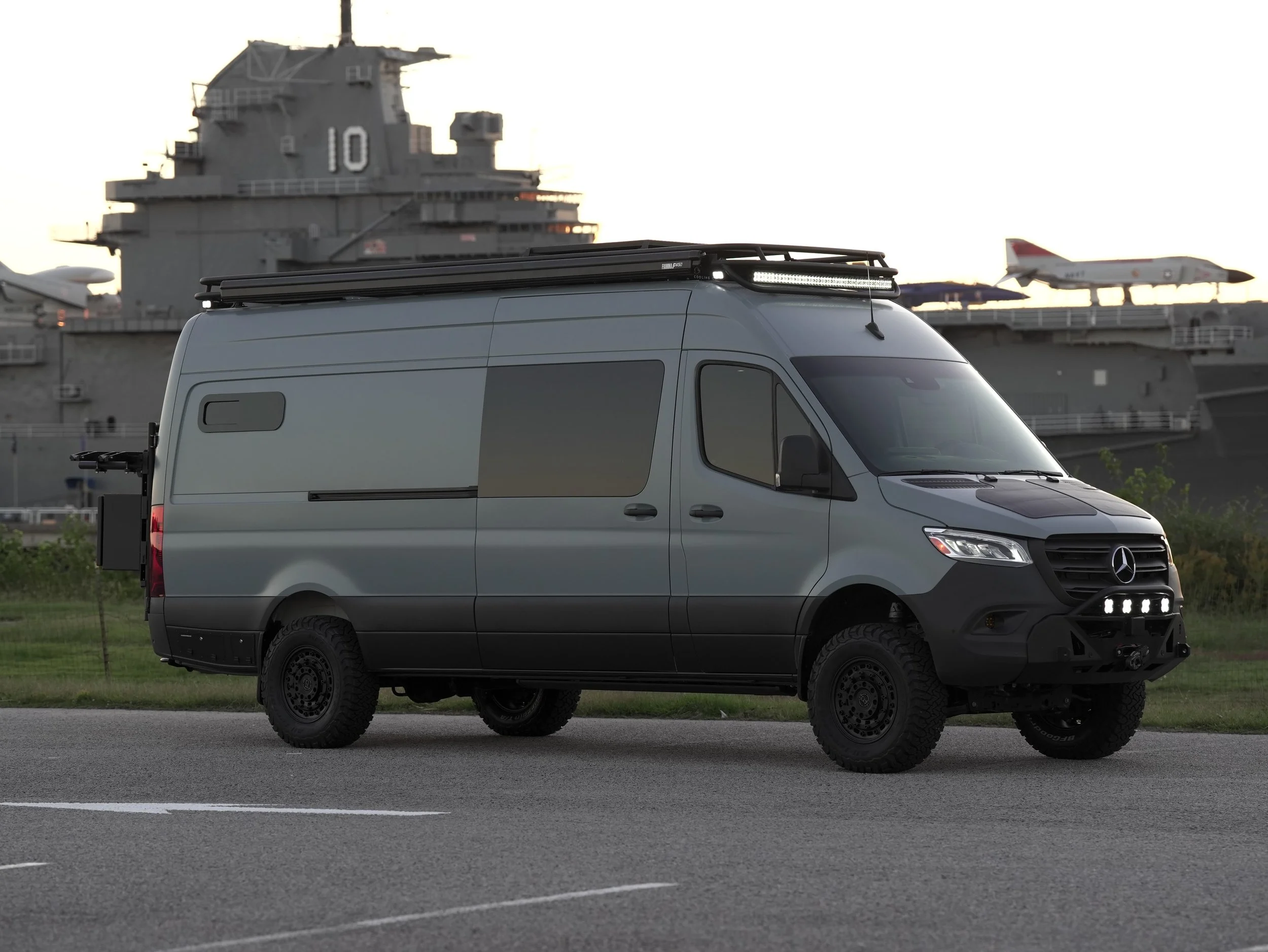
A conversion van for camping and overlanding can provide tax benefits.
Sometimes as a “second home” and in other cases by qualifying as a heavy vehicle (over 6,000 pounds).
Understanding how these rules apply, and structuring the vehicle and its use properly, can let you enjoy adventure travel while taking advantage of legitimate tax breaks. Learn the key rules, use patterns, and record keeping you’ll need to support claims.
No shag carpet, sketchy airbrush murals or diamond-shaped windows needed.How the tax rules can apply
Second-home rules (Qualified Non-Residential Structure)
For tax purposes, a dwelling used as a second home can make mortgage interest and certain expenses deductible as home mortgage interest under rules for qualified residences (subject to limits and eligibility).
How a conversion van can qualify: The IRS has at times accepted vans and recreational vehicles as “dwelling units” if they have sleeping, cooking, and toilet facilities. If your conversion van includes these basic features and is used regularly for personal travel or seasonal lodging, it can be treated similarly to a second home for mortgage interest purposes, provided other mortgage and tax rules are satisfied.
Practical implications: If you finance the purchase or conversion through a loan that meets mortgage interest rules, interest may be deductible as qualified residence interest (subject to the standard limitations on acquisition indebtedness and overall mortgage interest deduction rules). Note: Many people use personal-vehicle loans rather than real-estate style mortgages, and those loans usually don’t qualify — check loan type and documentation.
Heavy vehicle (>6,000 pounds) treatment
Vehicles with a gross vehicle weight rating (GVWR) above 6,000 pounds can be treated differently for depreciation and Section 179 expensing. The Tax Cuts and Jobs Act allows accelerated expensing that can be valuable for business-use vehicles.
How it applies to a conversion van: If the van’s GVWR exceeds 6,000 pounds, and you use the van in a trade or business (including an active business where the van’s use is ordinary and necessary), you may be eligible to:
Take Section 179 expensing to write off a substantial portion (or all) of the purchase price in the year placed in service (subject to dollar limits and taxable income limitations).
Use bonus depreciation for additional immediate expensing (percentages and rules change by tax year).
Use MACRS depreciation if not fully expensed.
Practical implications: The key is business use. Only the portion of vehicle use attributable to business activities is eligible for these deductions. Commuting and primarily personal travel generally do not qualify.
Combining both benefits — when it’s possible
A conversion van can serve as a personal second home and a business heavy vehicle, but you must clearly separate personal and business use. Here’s how:
Primary personal use with occasional business: If the van is primarily a personal RV/second home, mortgage interest treatment (if eligible) may be more relevant. Business deductions will be limited to actual business use and must be supported by records.
Primary business use with personal use: If the van is primarily used in a business (for example, as a mobile office, rental asset, guiding business, mobile retail, photography/videography, or other trade), heavy-vehicle tax rules may allow large depreciation and expense deductions. Personal use will be taxable fringe or require adjustment, and you cannot deduct personal travel expenses.
Dual use with careful allocation: Allocate miles, days and expenses between personal second-home use and business use. Use a mileage log, calendar entries, receipts, and trip purpose notes. Deduct only the business portion of mortgage interest (if any), depreciation, and vehicle expenses.
Key features and documentation that help
Vehicle Specs
GVWR sticker or manufacturer documentation proving GVWR > 6,000 lbs.
Evidence of built-in living facilities: fixed sleeping platform/bed, permanently installed cooking equipment (stove or kitchenette), and a toilet or sanitation setup (portable toilets may be borderline; hard-mounted or integrated facilities are stronger evidence).
Financing Documents
Loan agreement that specifies the purpose (purchase or conversion), original principal balance, and payment history. If seeking mortgage-interest treatment, documentation that resembles acquisition debt and meets IRS definitions helps.
Business Records
Detailed mileage log showing date, origin/destination, purpose, and miles for every business trip.
Calendar or booking records if used in a rental or guiding business.
Invoices, receipts for conversions, outfitting, maintenance, fuel, insurance, and campsite fees.
Clear allocation method between business and personal use (percentage of miles, or days used for business vs. personal).
Conversion and Documentation Best Practices
Conversion details matter; both for qualification and for defensibility.
Think beyond aesthetics and into audit-proof functionality:
Fixed sleeping area: not just a fold-down bench.
Permanently installed cooking setup: built-in stove or kitchenette vs. a loose camp stove.
Integrated sanitation solution: fixed toilet or clearly designated system.
Electrical system: shore power, solar, or inverter setup helps reinforce “dwelling” intent.
The more your van resembles a true, self-contained living unit, the stronger your position if the classification is ever questioned.From a documentation standpoint, treat your van like a hybrid asset: part vehicle, part property, part business tool.
That means:
Keep conversion invoices and build specs organized
Photograph the build-out: before, during, after.
Maintain ongoing usage logs: not just mileage. Intent matters.
Separate personal vs. business trips clearly and consistently
If it feels like overkill, it’s not. This is the difference between a clean deduction and a denied one.Common Pitfalls to Avoid
This is where most people get tripped up. Not in eligibility, but in execution.
1. Treating everything as business use
If you’re road-tripping to Moab and posting on Instagram, that’s not automatically a business expense. There needs to be a clear, ordinary, and necessary business purpose.
2. Poor record keeping
“No logs” = “no deduction.” The IRS doesn’t estimate generously on your behalf.
3. Incorrect loan structure
As mentioned earlier, most vehicle loans do not qualify for mortgage interest treatment. If you’re aiming for second-home benefits, the financing structure matters just as much as the van itself.
4. Over-aggressive Section 179 claims
Yes, the deduction can be substantial. But it must align with actual business use percentages and income limitations.
5. Blurring personal lifestyle with business justification
This is especially common with creators, founders, and “lifestyle brands.” The line isn’t whether it feels like business, it’s whether it can be clearly substantiated as such.
Strategic Use Cases (Where This Really Works)
This isn’t just a loophole play. When structured correctly, it aligns naturally with certain business models:
Outdoor / CPG brands doing field marketing, events, and content capture
Photographers / videographers traveling for shoots
Guides, outfitters, and experiential businesses
Mobile service providers (training, consulting, wellness, etc.)
Rental or Airbnb-style van businesses
In these cases, the van isn’t just transportation, it’s part of revenue generation. That’s where the tax strategy becomes both defensible and powerful.The Bigger Picture: Lifestyle plus Leverage
This is really about something larger than just deductions.
A well-structured conversion van can:
Offset income through depreciation
Provide flexible travel and lodging
Support content creation and brand storytelling
Open up new revenue streams
Serve as a mobile extension of your business
And yes — it lets you do all of that without sacrificing comfort or style. (No shag carpet required.)
Final Thought
The opportunity here isn’t in pushing boundaries, it’s in understanding them deeply and operating inside them intelligently. When you combine the right vehicle, the right use case, the right documentation, and the right tax strategy, you end up with something rare: a lifestyle asset that actually works for you financially.
If you’re considering a build or already have one in mind, it’s worth taking the time to structure it correctly from day one. Retroactive fixes are a lot harder than proactive planning.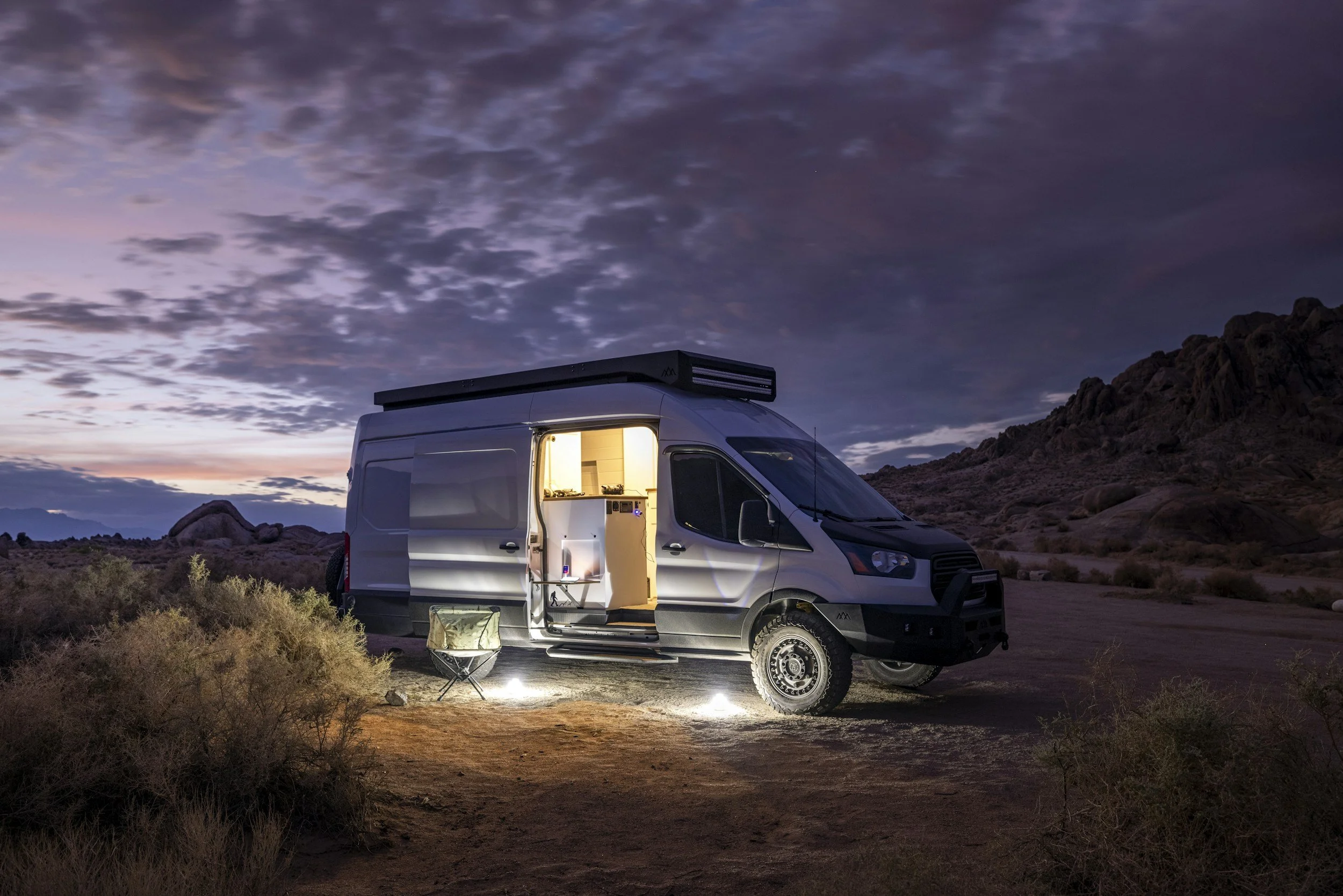
Ready to Roll?
If the van life is calling for business, let’s talk. We can help you get things set up properly so you can reap the tax benefits of you new van.
Disclaimer: Tax rules change frequently and depend heavily on individual circumstances. Always consult with a qualified tax advisor to ensure compliance with current IRS regulations and your specific situation.
shameless van love
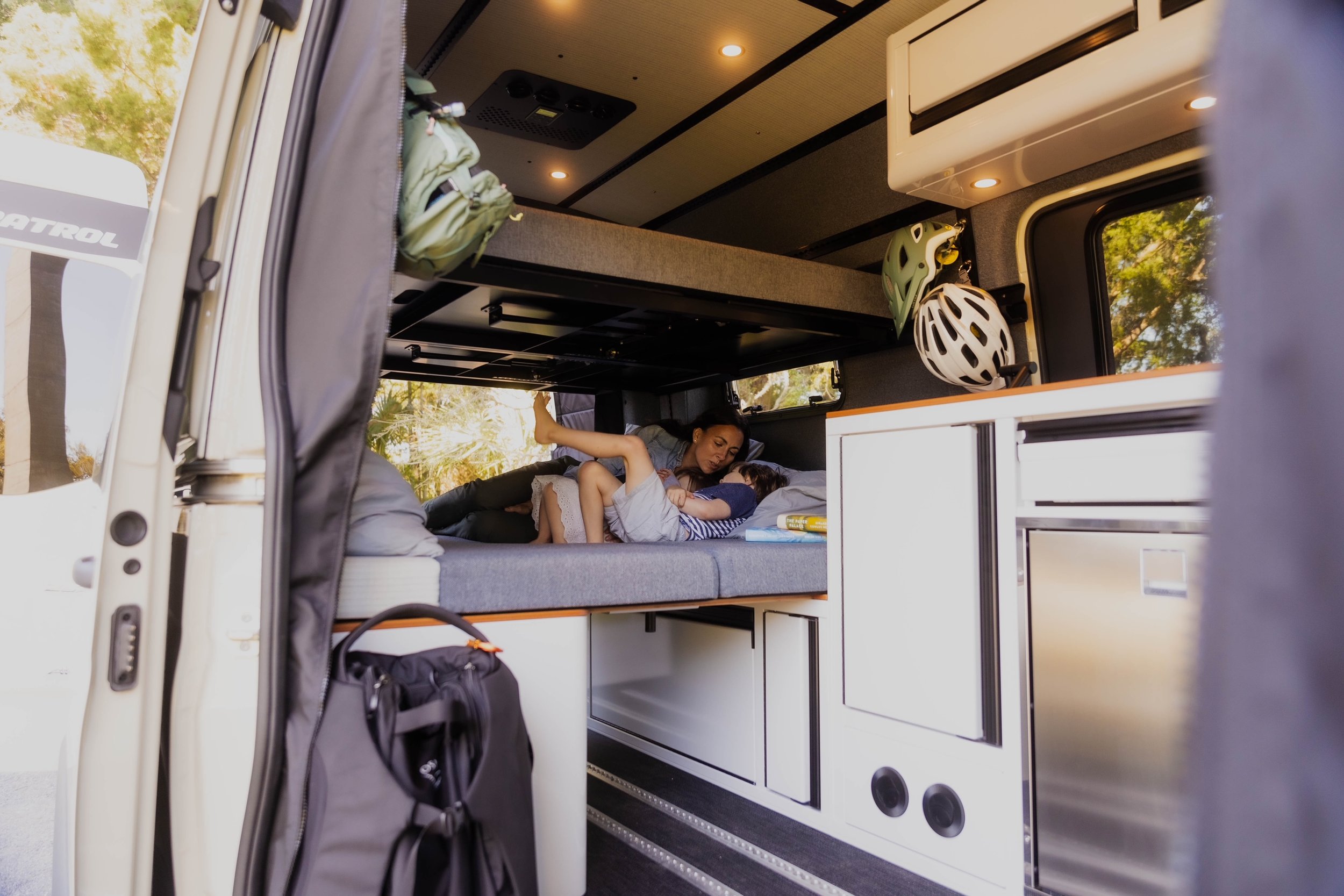
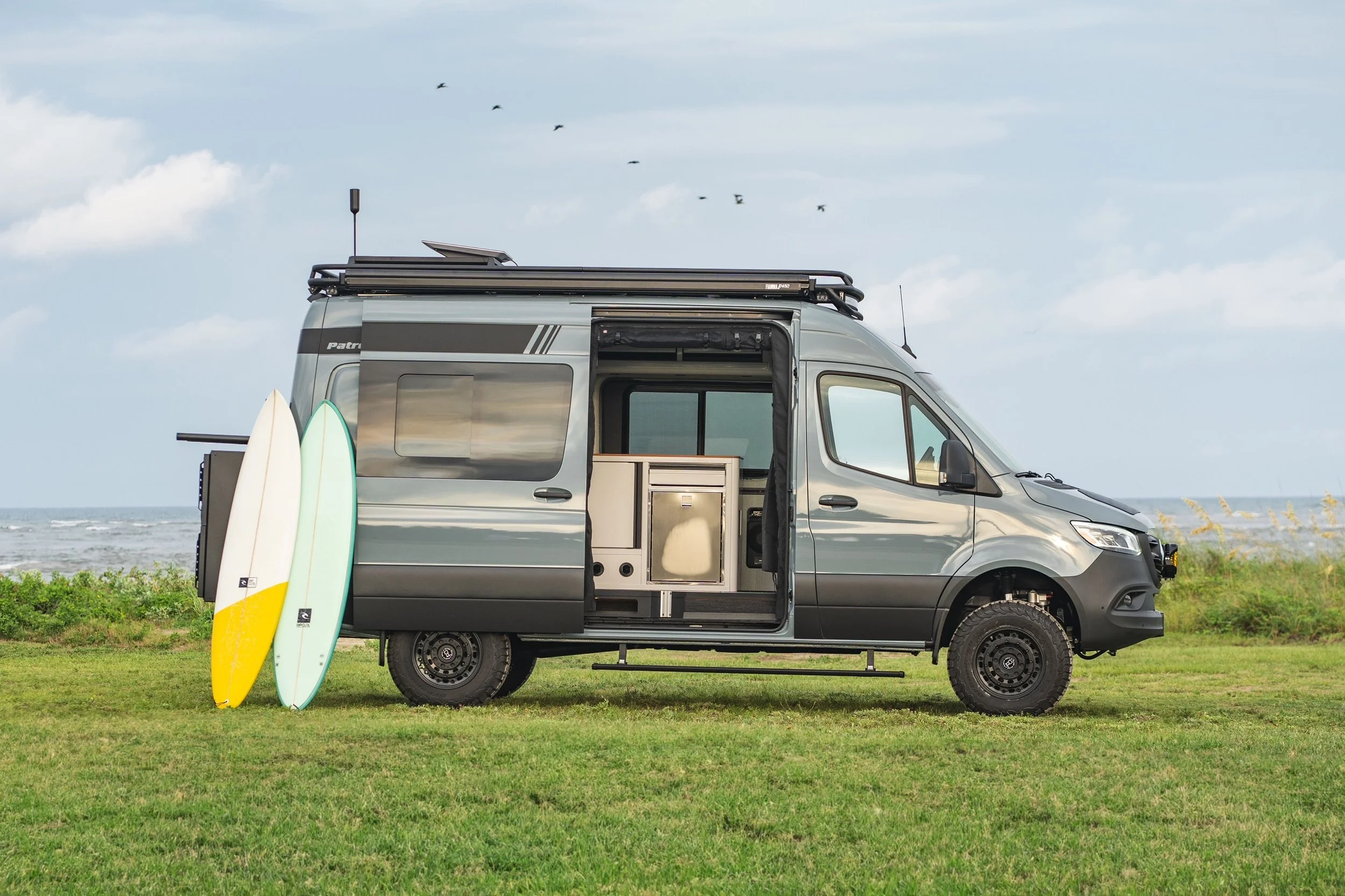
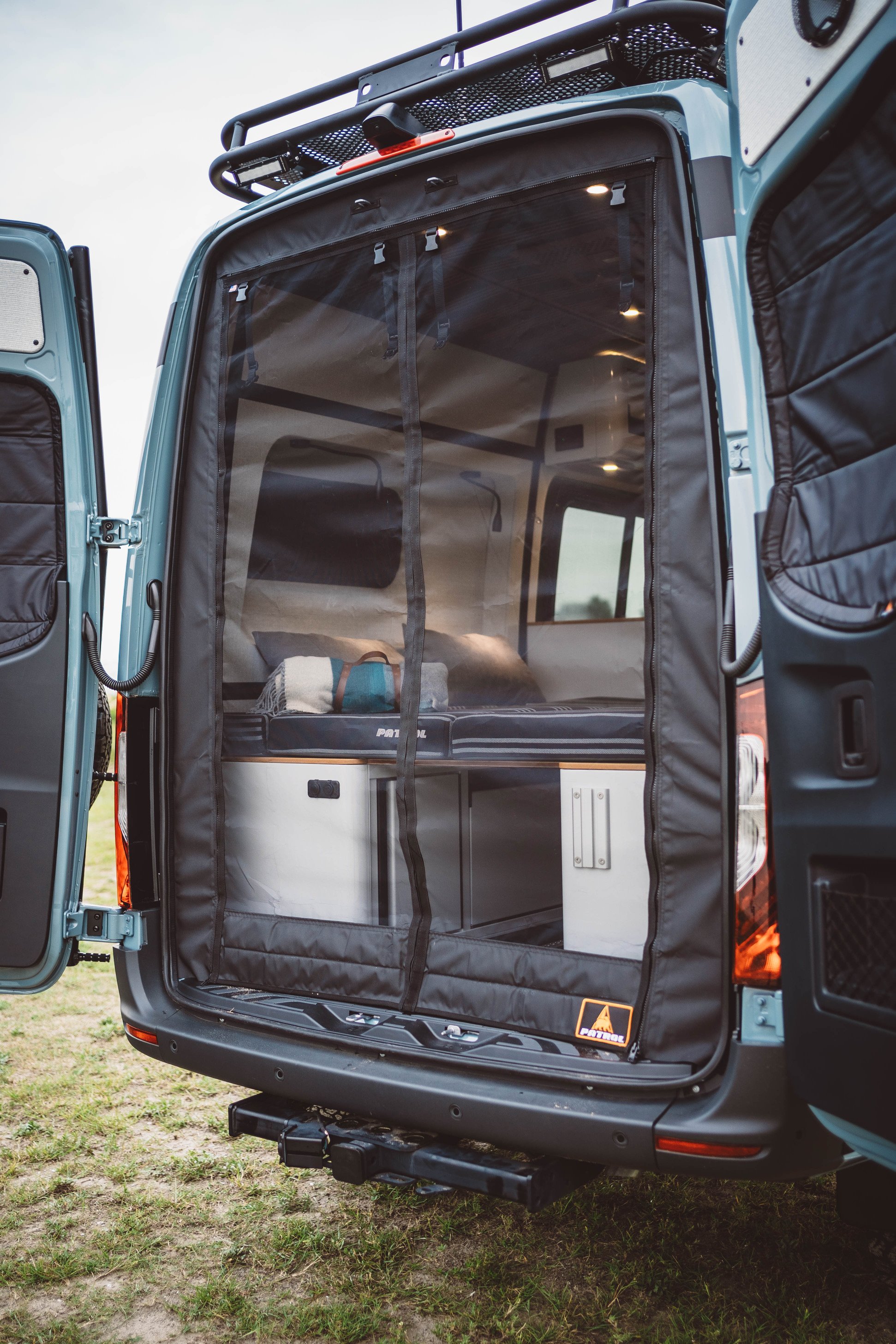
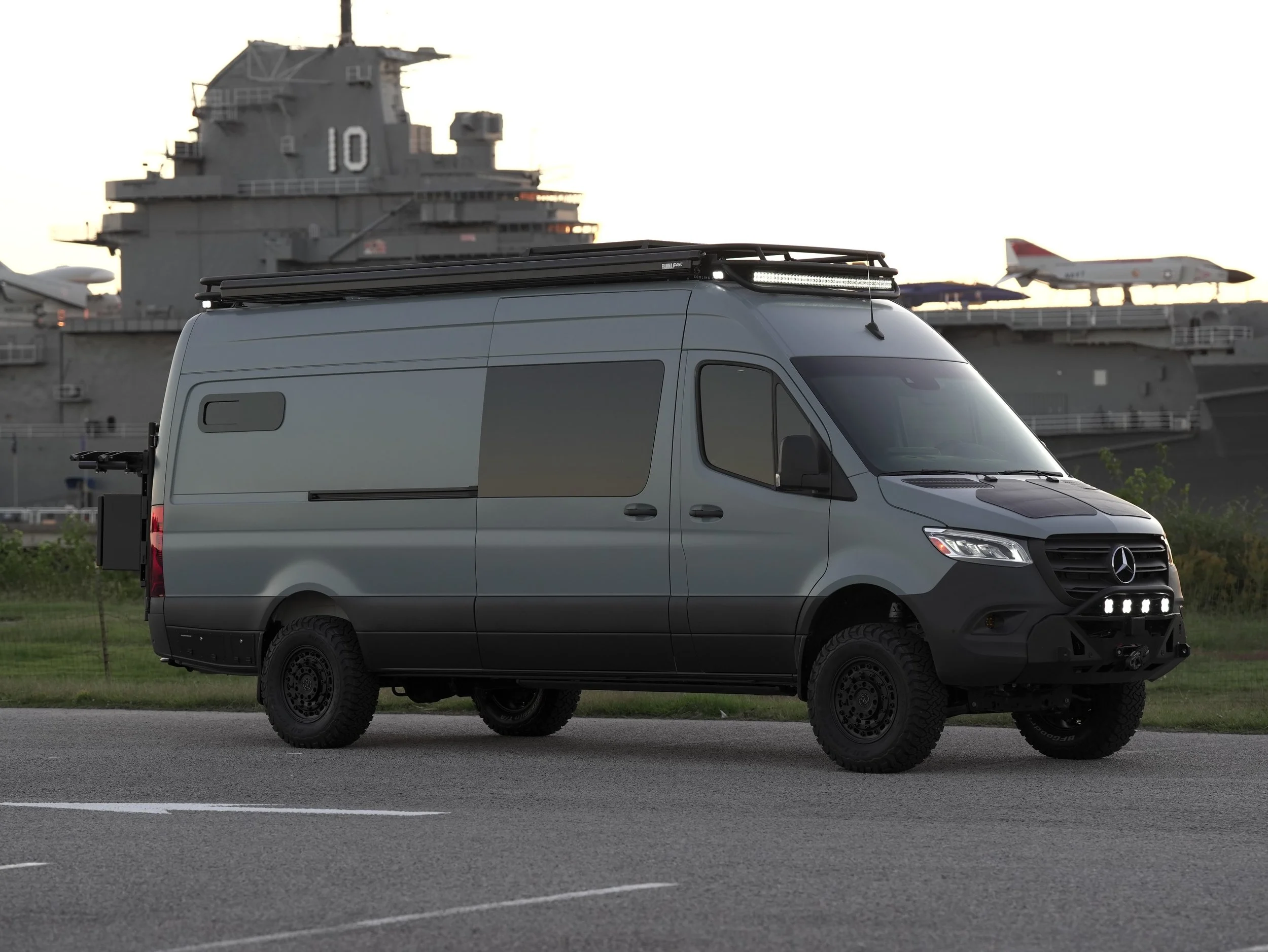
Explore some pictures of the Patrol Van builds in action below.
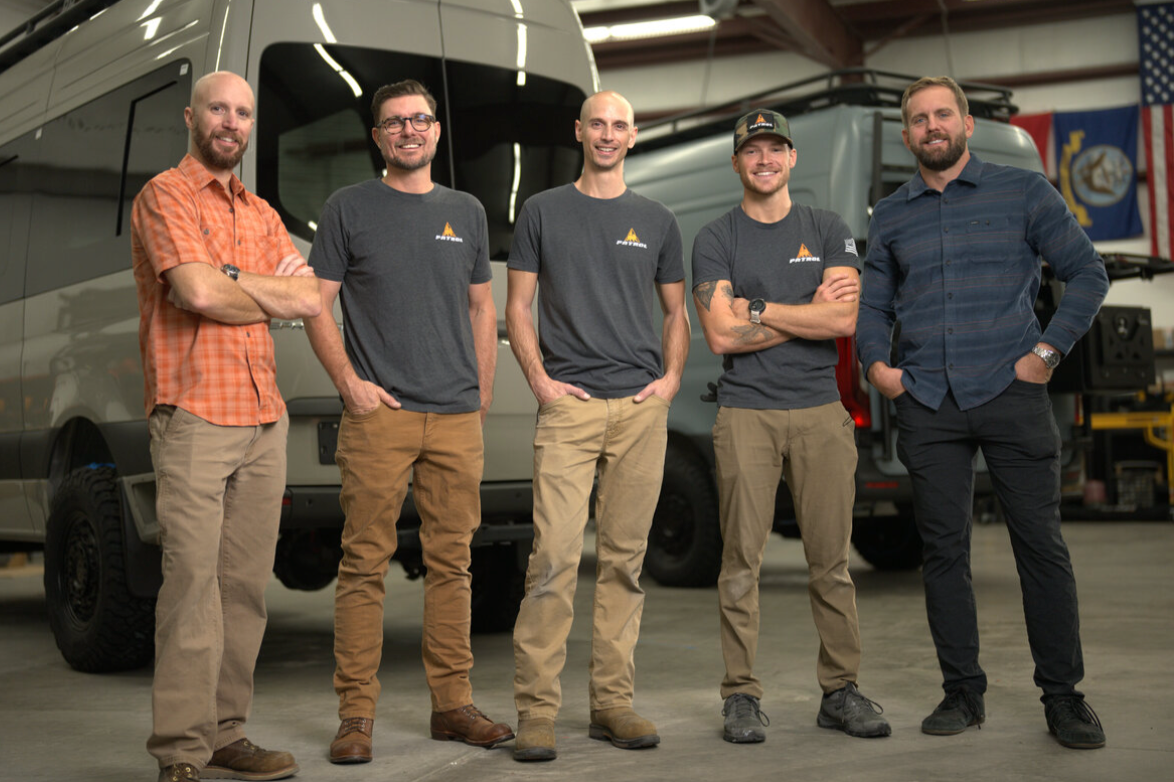
Seriously considering a conversion van?
Check out our clients, Patrol Vans to see their builds. Thank you to the Patrol Vans team for sharing their build pics.